
Electrical services
EV Charger Installation in Renton, WA
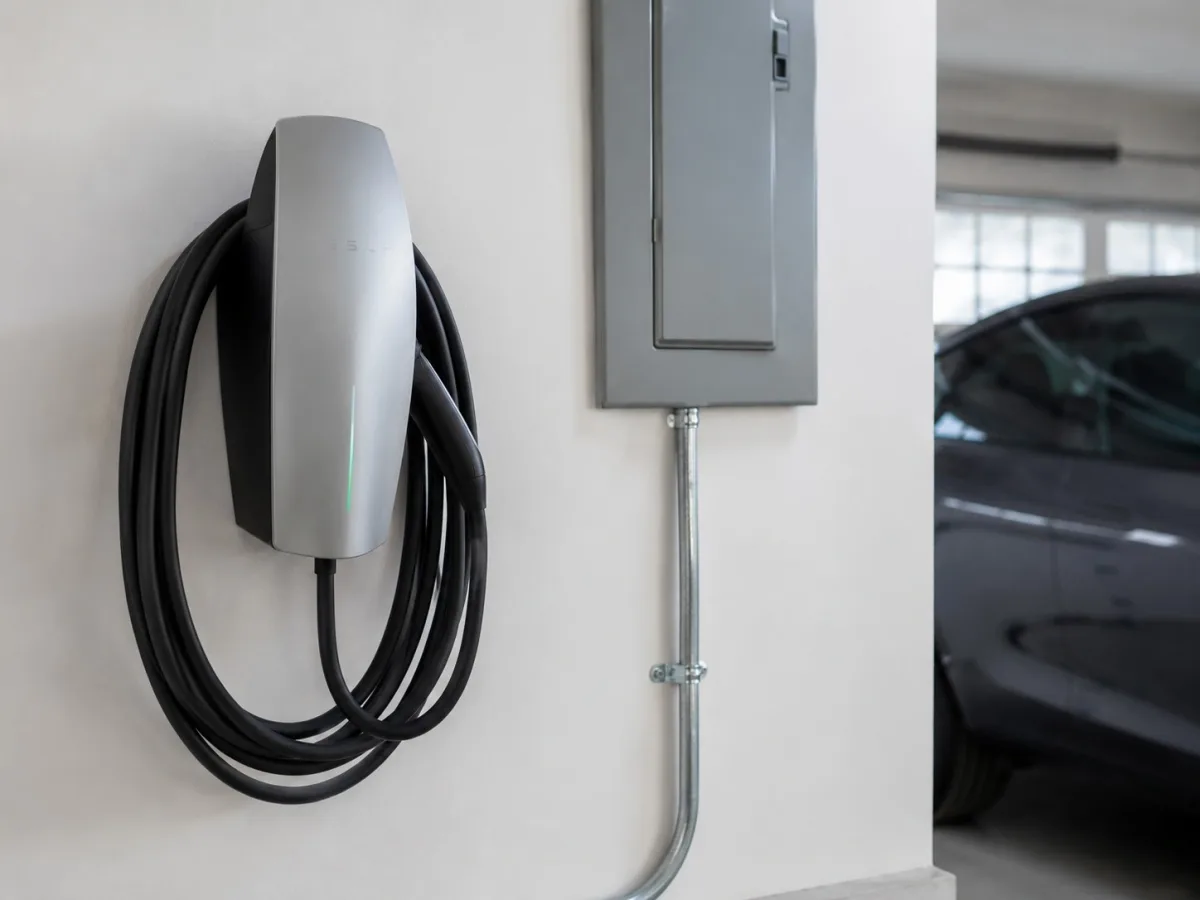
A home Level 2 charger turns an overnight charge into a few hours, but only if the circuit and panel behind it are right. We check your panel capacity first, then install the charger cleanly and to code.
- Licensed & insured
- Fair rates
- Serving all of Washington
Free, no-pressure quote
Get a free quote for ev charger installation
A few quick questions and we'll get back to you with an honest answer.
Request received
Thanks for reaching out. You'll hear back within 1 business day.
Need help sooner? Call (253) 453-0478.
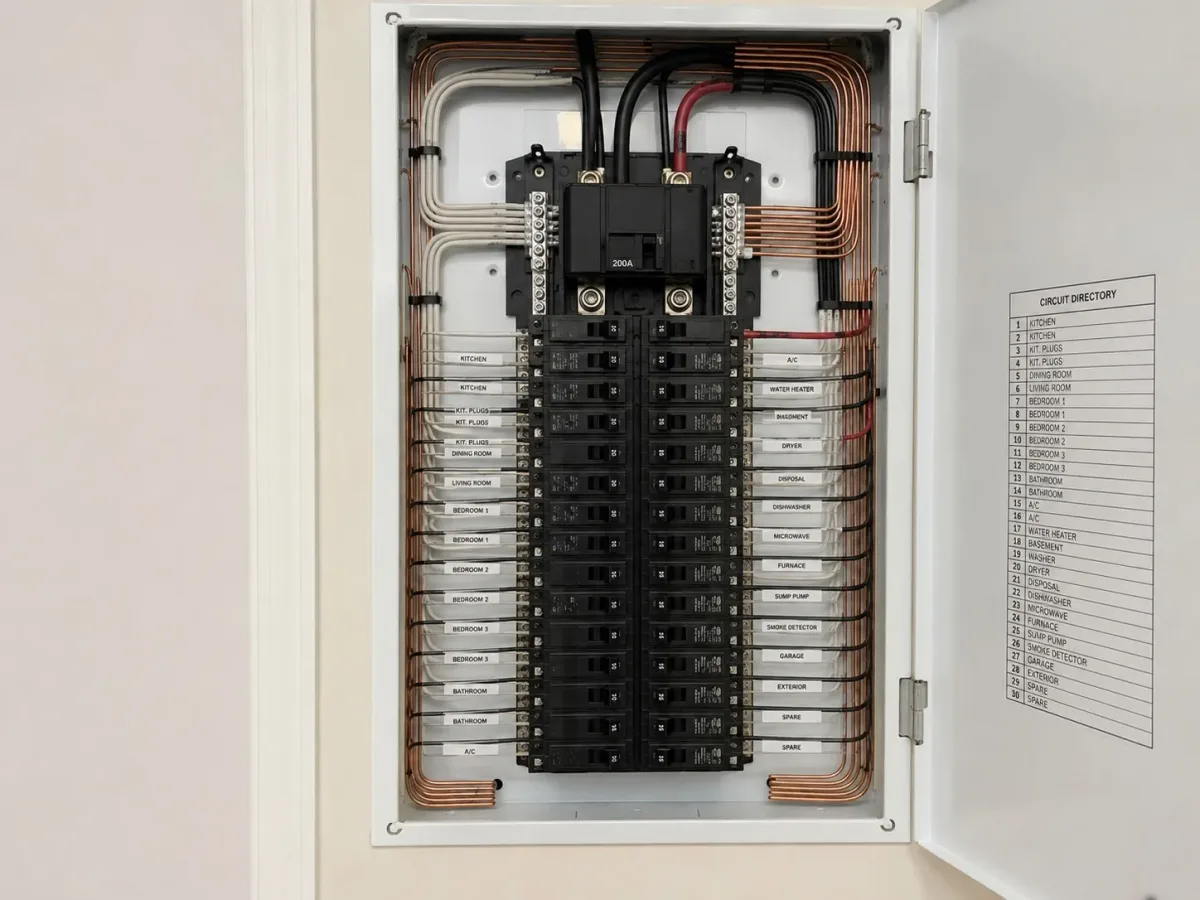
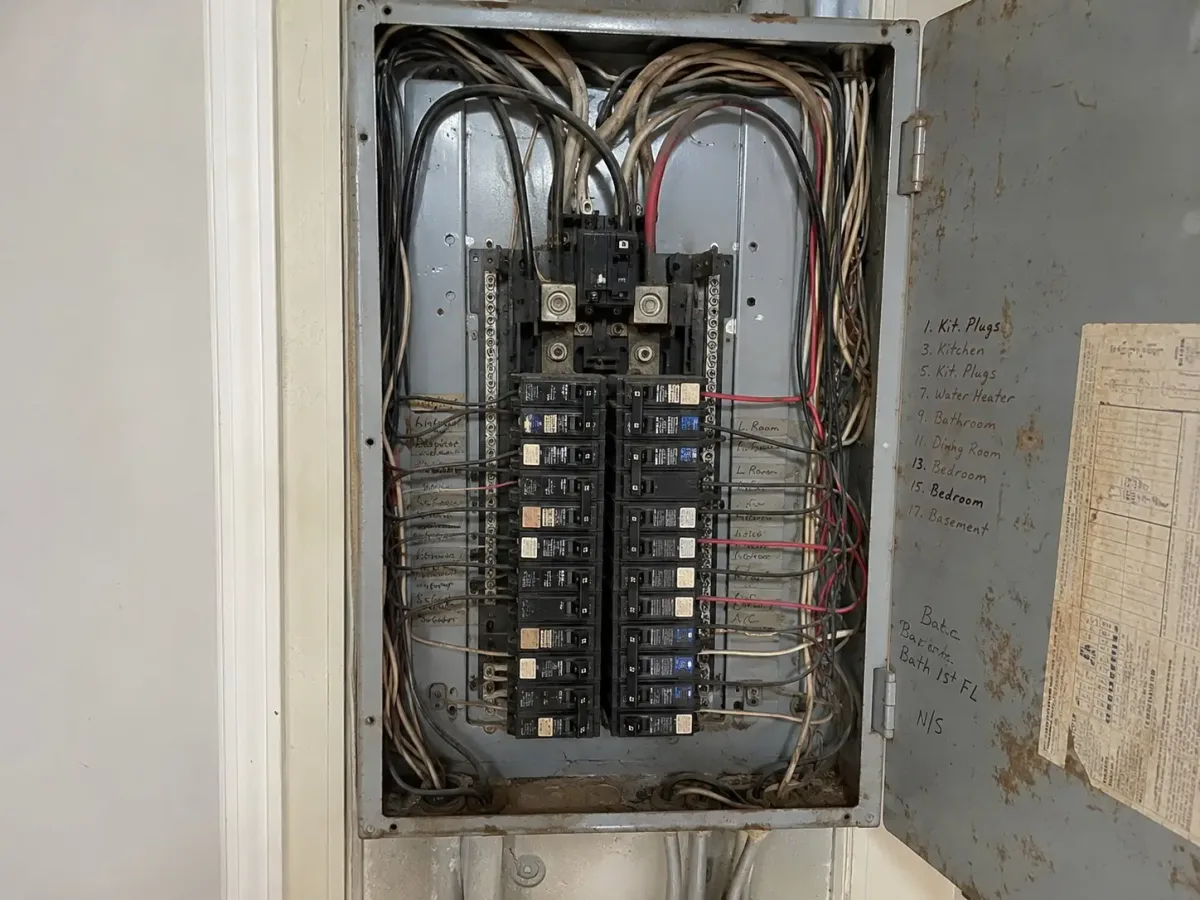
Before & after
Residential Electrical, before and after
A representative example of the kind of residential electrical work we do. Illustrative only, not a photo of a specific customer's job.
Get a free quoteJoshua replaced my AC mini-split and did an excellent job. He was professional, knowledgeable, and took the time to explain everything clearly. The installation was done quickly and with great attention to detail, and the system has been running perfectly ever since. I really appreciate the honest service and would highly recommend Joshua and his team to anyone needing HVAC work.
Overview
EV Charger Installation done right
Westside Comfort Solutions is a licensed electrical contractor serving Renton, WA that installs Level 2 home EV chargers and the 240-volt circuits that feed them.
A home Level 2 charger turns an overnight charge into a few hours, but only if the circuit and panel behind it are right. We check your panel capacity first, then install the charger cleanly and to code.
- Level 2 (240V) home charger installation
- Hardwired and NEMA 14-50 plug-in setups
- Dedicated 240V circuit from the panel
- Panel capacity and load calculation
- Load-management options when the panel is full
Why it matters
Why ev charger installation is worth doing right
Charging on the standard 120-volt cord that comes with the car adds just a few miles of range an hour. A 240-volt Level 2 circuit charges most EVs overnight, which is why it's the upgrade most owners want once the novelty of the slow cord wears off.
The catch is panel capacity. A charger can pull as much as a whole second home's worth of load, so we run a load calculation first. If your panel is full, we'll lay out the honest options, a load-management device or a panel upgrade, instead of just bolting on a charger and hoping.
Connector standards are in transition, which is worth knowing before you buy a charger. J1772 was the standard Level 2 connector for non-Tesla EVs, while NACS is Tesla's connector, now being adopted by most automakers including Ford, GM, Rivian, Hyundai, and BMW. Most new 2026 EVs ship with NACS while many older EVs use J1772, so we make sure the charger and any adapter match the car you actually drive. Either way, a 40-amp-or-higher unit has to be hardwired, every Level 2 charger needs its own dedicated 240-volt circuit, and an older or full panel may need a panel upgrade first.
We install any make and model of home EV charger, whatever your vehicle or installer recommends, brand-agnostic. The work itself is the same proven scope: we start with a panel and load assessment to confirm your service can carry the charger, then a licensed electrician runs a new dedicated 240-volt circuit, installs the breaker, and either sets a NEMA 14-50 receptacle for a plug-in unit or hardwires the charger. Most jurisdictions require an electrical permit and inspection for a new 240-volt circuit, and we handle both. Cost depends on your panel, the length of the run, and whether an upgrade is needed, so we quote each install after we see the panel and where you park.
Warning signs
Signs you're ready for a home charger
Most owners reach out when one of these is true:
- A new EV that takes all night to charge on the standard cord
- Wanting a full charge in a few hours instead of overnight-plus
- A garage or driveway with no 240-volt outlet
- An older or full panel you're not sure can handle a charger
- A second EV joining the household
- Curiosity about whether your service needs upgrading first
How it works
What to expect with ev charger installation
- 01
Assess the panel
We run a load calculation to confirm your panel can carry a charger, and flag a load-management device or upgrade if it can't.
- 02
Place the charger
We pick the best spot for the unit and the shortest clean route for the circuit, garage or driveway, surface or in-wall.
- 03
Run the 240V circuit
We install a dedicated 240-volt circuit and either hardwire the charger or set a NEMA 14-50 outlet, whichever fits your unit.
- 04
Permit & test
We pull the permit, energize and test the charger with your car, and schedule the inspection.
Your options
Charger options
We'll match the install to your car, your panel, and how you park:
Fair, upfront pricing
What affects the cost
Every charger install is quoted after we see the panel and parking. The drivers:
- Distance from the panel to where you park
- Whether your panel has capacity, or needs load management or an upgrade
- Circuit amperage (40, 50, or 60 amp) for your charger
- Surface-mounted conduit vs. fishing the run inside walls
- Permit and inspection fees
Every job is different, so you get a clear quote before any work starts, with no surprises. Financing is available, so the right fix doesn't have to wait. We're licensed (WESTSCS752MT) and insured, and we back our work with a 1-year workmanship guarantee.
We treat every ev charger installation job like it's in our own home: diagnose it right, quote it fair, and stand behind the work.
Related services
More residential electrical services
See all residential electrical services.
Questions
Common questions about ev charger installation
Do I need a panel upgrade to install an EV charger?
Not always. We run a load calculation first. If your panel has room, we simply add the circuit. If it's full, a load-management device often avoids a full upgrade, and we'll tell you which path your home needs.
Should I get a hardwired charger or a plug-in?
Both work. Plug-in (NEMA 14-50) is flexible and portable; hardwired is cleaner, supports faster charging, and is better outdoors. We'll match it to your charger and location.
How much faster is Level 2 charging?
A lot. The standard 120V cord adds a few miles of range per hour, while a 240V Level 2 circuit charges most EVs fully overnight, and often in just a few hours.
Do I need a permit for an EV charger?
Yes. A 240V charger circuit requires a permit and inspection in Washington, and we handle both as part of the install.
Local experts, reliable service
Proudly serving Renton, WA and nearby communities
Based in Renton, we serve homes and businesses across Washington with honest diagnostics and quality work that lasts.
- Licensed, bonded & insured
- Upfront, fair pricing with no surprises
- 24/7 emergency service
- Clean, respectful crews
- Local and owner-operated
Service areas
- Greater Seattle / Eastside
- South Sound
- North Sound
- Statewide
Need ev charger installation? Let's talk.
Tell us what's going on. We'll diagnose it right and only recommend what you actually need.